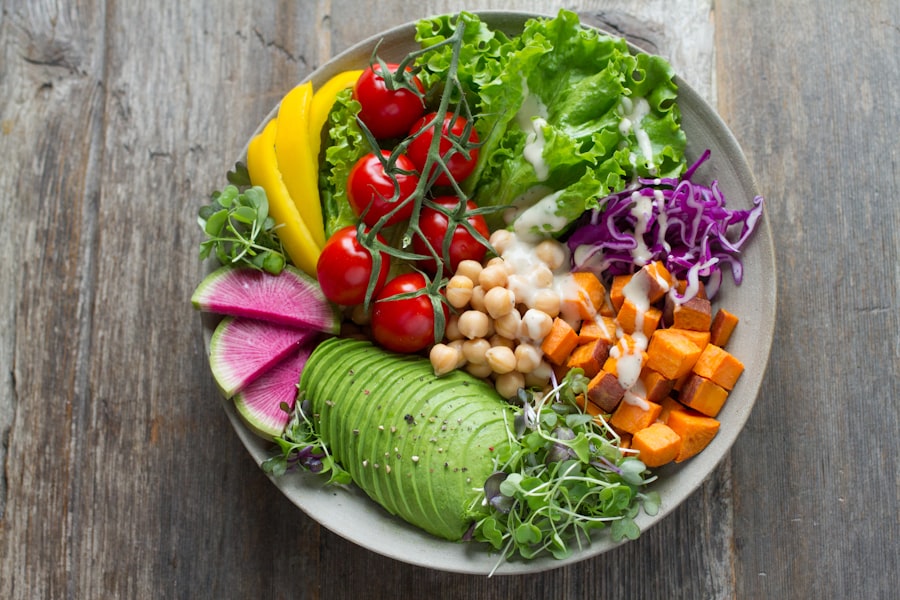
Vegan bowl delivery in Boston has grown from a niche offering into a mainstream category that now rivals traditional protein-centric meal options in terms of variety, flavor complexity, and nutritional sophistication. Driven by a combination of environmental awareness, ethical considerations, and the well-documented health benefits of plant-forward eating, vegan bowls have attracted a broad and diverse audience — from committed vegans and vegetarians to flexitarians and curious omnivores simply looking to add more plants to their diet.
The defining characteristic of a vegan delivery bowl is the complete absence of animal-derived products — no meat, poultry, seafood, dairy, eggs, or honey. In place of these conventional ingredients, thoughtfully crafted vegan bowls draw on the remarkable diversity of the plant kingdom, featuring ingredients that span grains, legumes, vegetables, fruits, nuts, seeds, and plant-based dairy alternatives. When assembled with nutritional intentionality, these bowls can be not only fully satisfying but genuinely superior to conventional options in terms of fiber content, antioxidant density, and overall micronutrient variety.
Plant-Based Protein Sources in Vegan Bowls
One of the most common misconceptions about vegan bowl delivery is that plant-based meals inevitably lack adequate protein. In reality, Boston's vegan bowl offerings feature a wide range of high-quality plant proteins that, when combined intelligently, provide all essential amino acids.
Tempeh
Fermented soy with ~19g protein per 100g. Rich in probiotics and has a dense, satisfying texture that holds up beautifully in delivery.
Chickpeas
Roasted chickpeas provide ~9g protein per 100g along with significant fiber. A crunchy, flavorful topping or base component.
Edamame
Young soybeans with ~11g protein per 100g. One of the few complete plant proteins, containing all essential amino acids.
Lentils
Excellent source of protein (~9g/100g cooked) and iron. Black and green lentils maintain their shape well during delivery.
Quinoa
A complete protein grain with ~4g per 100g cooked. Provides all nine essential amino acids — rare among plant foods.
Hemp & Pumpkin Seeds
Seed-based proteins rich in omega fatty acids. Hemp seeds provide ~31g protein per 100g and integrate seamlessly as toppings.
Full Ingredients Overview for Vegan Bowls
Vegan delivery bowls in Boston draw from a rich palette of plant-based ingredients. Each component contributes distinct nutritional and culinary value to the overall composition.
🌾 Grain Bases
Quinoa, farro, wild rice, brown rice, millet, and freekeh form the foundation of most vegan delivery bowls. These whole grains provide complex carbohydrates, fiber, and secondary protein while serving as a neutral canvas for bolder flavors.
🥬 Leafy Green Bases
Kale, spinach, arugula, and mixed greens are popular low-carbohydrate alternatives to grain bases. They contribute iron, folate, vitamins C and K, and powerful antioxidants that support immune function.
🥕 Roasted Root Vegetables
Sweet potato, butternut squash, beets, and carrots add natural sweetness, beta-carotene, and complex carbohydrates. Roasting concentrates their flavors and makes them ideal for delivery — they maintain texture without becoming soggy.
🥑 Healthy Plant Fats
Avocado, tahini, olive oil, and nut-based dressings provide essential fatty acids critical for brain function, hormone production, and the absorption of fat-soluble vitamins A, D, E, and K.
🍋 Citrus & Acid Components
Lemon, lime, pickled vegetables, and apple cider vinegar-based dressings enhance flavor complexity while also improving the bioavailability of iron from plant sources — a key nutritional consideration in vegan diets.
🌶️ Herbs, Spices & Aromatics
Fresh cilantro, mint, basil, turmeric, cumin, and ginger add layers of flavor without added calories. Many of these ingredients also carry significant anti-inflammatory and digestive benefits.
Common Misconceptions About Vegan Bowl Delivery
Several persistent myths continue to discourage people from exploring vegan bowl options. Here's a clear-eyed look at the facts behind the most common misunderstandings.
A thoughtfully composed vegan bowl with tempeh, quinoa, edamame, and hemp seeds can deliver 30–40g of complete protein — comparable to many meat-based options.
Plant-based cuisine draws on a far broader range of flavors, textures, and culinary traditions than conventional takeout. Well-crafted vegan bowls are often more complex in flavor than their meat-based counterparts.
Boston's food delivery ecosystem has expanded significantly. Most major delivery platforms now feature dedicated vegan filters, and many restaurants offer dedicated plant-based bowl menus year-round.
The majority of vegan bowl consumers in Boston are not strictly vegan. Flexitarians, health-focused individuals, and those simply seeking variety incorporate plant-based bowls regularly regardless of their broader dietary identity.
Best Use Cases for Vegan Bowl Delivery
Environmental Consciousness
Choosing plant-based delivery is one of the most practical ways to reduce your dietary carbon footprint without significantly disrupting your routine.
Dietary Variety Days
Incorporating vegan bowls on two or three days per week provides valuable dietary diversity, increasing the range of micronutrients and phytonutrients in your weekly intake.
Anti-Inflammatory Eating
Plant-based bowls rich in turmeric, ginger, dark leafy greens, and omega-rich seeds support the body's natural anti-inflammatory pathways.
Digestive Reset Meals
High-fiber vegan bowls support digestive health and regularity. After days of heavier eating, a plant-based delivery bowl serves as a gentle, restorative reset meal.
Tips for Choosing the Best Vegan Bowl Online
- Look for bowls that combine multiple protein sources — legumes plus grains, or tofu alongside seeds — to ensure amino acid completeness.
- Prioritize bowls that include a vitamin C component (citrus, bell peppers, tomatoes) alongside iron-rich greens to enhance iron absorption.
- Check that healthy fats are present — avocado or tahini dressing ensures fat-soluble vitamin absorption.
- Use the vegan filter on delivery platforms, but always confirm ingredient details in the description — some "vegan-labeled" items contain honey or dairy derivatives.
- Look for bowls featuring at least four or five distinct vegetable types for maximum micronutrient diversity.
- When in doubt, opt for bowls that feature quinoa as the base — its complete amino acid profile provides a nutritional safety net.
- Consider B12 fortification — if ordering vegan bowls regularly, supplement dietary B12 as it is not naturally present in plant foods.