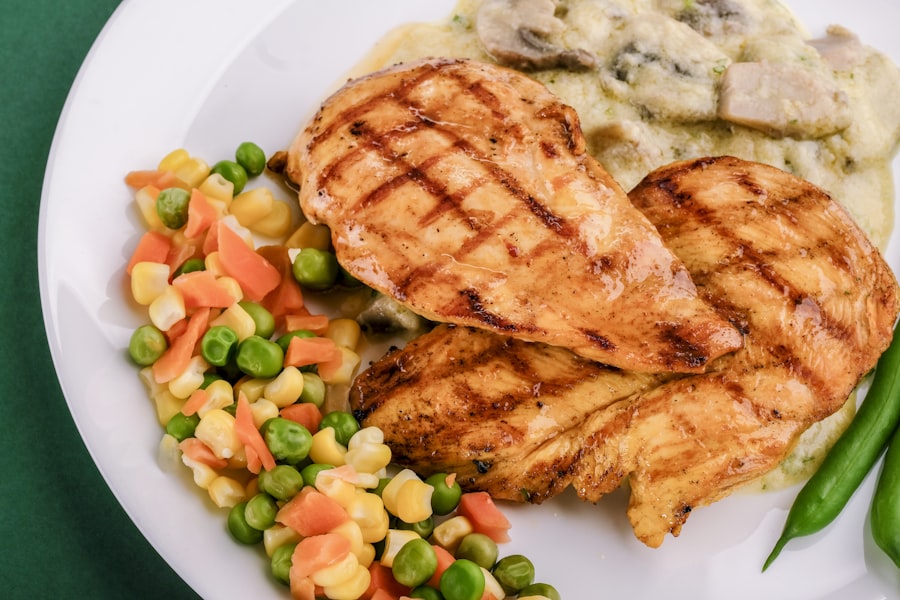
Protein bowls have established themselves as a staple among Boston's fitness community, busy professionals, and health-focused individuals who understand the central role protein plays in daily nutrition. Unlike a standard meal that might inadvertently skimp on this critical macronutrient, protein bowls are intentionally constructed to deliver a substantial, clearly defined dose of high-quality protein — often in the range of 35 to 55 grams per serving — alongside supporting macronutrients that amplify absorption and performance.
The popularity of protein bowl delivery in Boston reflects a broader national shift in how people think about food — not merely as sustenance, but as a tool for achieving specific physical and cognitive outcomes. Whether you're building lean muscle at a gym near Fenway, recovering from a long run through the Back Bay Fens, managing your weight as part of a structured plan, or simply looking to feel more alert and energized throughout a demanding workday, a well-designed protein bowl delivered to your home or office offers one of the most efficient paths to meeting those goals.
Top Protein Sources in Delivery Bowls
The quality and variety of protein sources in a delivery bowl significantly impacts both its nutritional value and its flavor profile. Here's a breakdown of the most common protein sources you'll encounter when ordering protein bowls online in Boston.
Grilled Chicken Breast
~31g / 100gLean, versatile, and widely available. The go-to protein for most delivery bowls. Low in fat, high in complete amino acids.
Protein density: Very HighSalmon
~25g / 100gRich in omega-3 fatty acids alongside complete protein. Excellent for anti-inflammatory recovery and brain health.
Protein density: High + Healthy FatsLean Steak / Flank
~28g / 100gHigh in iron and B12 alongside protein. Ideal for those with higher caloric needs or iron-deficiency concerns.
Protein density: High + IronLegumes & Lentils
~9g / 100gPlant-based protein with significant fiber. Lower protein density than animal sources but rich in micronutrients.
Protein density: Medium + FiberTofu & Tempeh
~15–19g / 100gFermented tempeh offers higher protein and probiotic benefits. Both are complete plant-based proteins.
Protein density: Medium + ProbioticsEggs & Egg Whites
~13g / 100gOften featured as add-ons. Egg whites are especially lean, while whole eggs contribute healthy fats and micronutrients.
Protein density: Medium + MicronutrientsWho Benefits Most from Protein Bowl Delivery?
Protein bowls are not just for bodybuilders or elite athletes. A wide range of Boston residents find genuine value in incorporating high-protein delivery bowls into their weekly eating patterns.
Fitness Enthusiasts
Individuals training regularly at Boston gyms who need reliable, convenient post-workout protein to support muscle synthesis and recovery between sessions.
Weight Management
High-protein meals promote greater satiety and help preserve lean muscle mass during caloric restriction — a key advantage for those managing their weight.
Knowledge Workers
Protein-rich meals help stabilize blood sugar and sustain mental focus throughout long workdays, making protein bowls an ideal choice for desk-based professionals.
Endurance Athletes
Runners and cyclists benefit from protein bowls that combine high protein with complex carbs — supporting both muscle repair and glycogen replenishment.
Health-Conscious Eaters
Anyone seeking to improve overall dietary quality by reducing reliance on low-protein processed foods in favor of whole, macro-balanced alternatives.
Meal Preppers
People who use delivery bowls on non-prep days to maintain consistent protein intake without the need for daily meal preparation or cooking.
Ingredients Overview for Protein Bowls
Beyond the primary protein source, a well-constructed protein delivery bowl features supporting ingredients that enhance the overall nutritional profile.
🌾 High-Protein Bases
Quinoa stands out as the ideal protein bowl base — it's a complete protein itself, containing all nine essential amino acids. Farro and wild rice are also excellent higher-protein grain alternatives to white rice.
🥜 Protein-Boosting Toppings
Hemp seeds, edamame, pumpkin seeds, and roasted chickpeas are common add-ons that increase the total protein content of a bowl without significantly altering its flavor profile.
🥗 Complementary Vegetables
Spinach, kale, broccoli, and edamame all contribute secondary protein alongside their significant micronutrient content. Including these maximizes the bowl's nutrient density.
🫙 High-Protein Sauces
Tahini-based, Greek yogurt, or miso dressings add flavor while contributing additional protein. Avoid heavy cream-based sauces that add fat without meaningful protein benefit.
How to Identify the Best Protein Bowls When Ordering Online
- Look for bowls that list protein content explicitly — target at least 35g for a post-workout meal.
- Prioritize options that feature a primary animal or high-quality plant protein, not just legumes as the sole protein source.
- Check that the bowl includes a quality carbohydrate base for glycogen replenishment alongside the protein.
- Review sauce ingredients — protein-rich sauces (tahini, Greek yogurt-based) add value; calorie-heavy cream sauces typically do not.
- Look for customization options to double protein portions if your specific goals demand higher intake.
- Consider timing — protein bowls work best when consumed within two hours of exercise for optimal muscle protein synthesis.
- Compare restaurant ratings for freshness indicators — protein quality degrades faster than carbohydrate components during delivery.